Source Moisturizing Cream Lip Mask for Dry, Chapped Lips
Explore 30 options for a moisturizing cream lip mask designed to hydrate and nourish. Compare OEM and ODM services, herbal ingredients, and various packaging styles from Guangzhou suppliers to find the right fit for your brand; compare the available evidence and request quotations based on your requirements.
Key considerations
Products List


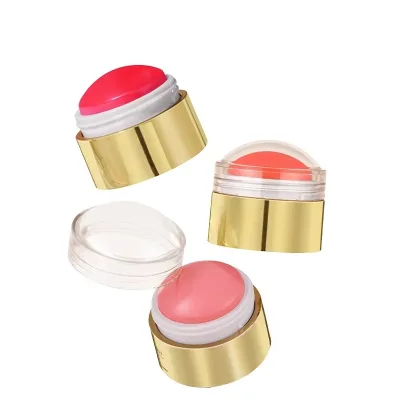


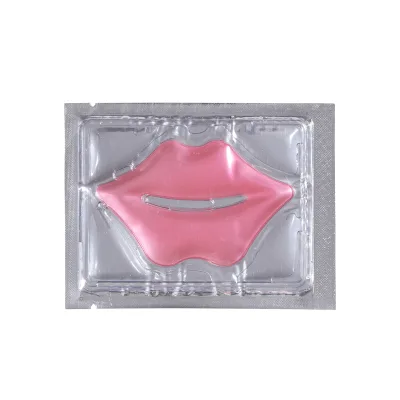


Comprehensive Sourcing Guide
Moisturizing Cream Lip Mask Sourcing Guide
Buyers evaluating this category must first distinguish between cream-based formulations and alternative textures like salt scrubs or crystal gels, as the product list indicates a mix of forms including cream, salt, and crystal variants. While the core keyword targets moisturizing cream lip masks, the observed inventory includes specific models like the Orange Lip Sleep Mask and Vanilla Lip Sleeping Mask, which often feature distinct textures and application methods. Procurement teams should verify the exact physical form required for their specific brand positioning, as the market offers both traditional creams and specialized overnight treatments with varying viscosity and absorption rates.
The functional claims in the current listings emphasize moisturizing, plumping, and repair capabilities, with some products explicitly labeled as "Plumping Lip Crystal" or "Lip Scrub." This diversity suggests that a single supplier may offer a broad portfolio, requiring buyers to filter strictly for the specific moisturizing cream attributes needed for their target demographic. Sourcing strategies must account for these variations by requesting physical samples to confirm that the texture matches the "cream" descriptor rather than a scrub or gel, ensuring the final product delivers the intended nourishing experience for the lips.
Product Scope and Observed Listing Signals
The observed product range spans from small travel sizes to standard 60g units, with specific models like the HS-020 and HS-123 indicating a wide variety of SKUs available from Guangzhou-based manufacturers. Buyers should note that while the general category is lip care, specific listings highlight unique selling points such as "100% Pure" herbal ingredients or "All Skin Type" compatibility, which can significantly influence the target market segment. Understanding these signals helps in narrowing down the supplier pool to those who can consistently deliver the specific volume and ingredient profile required for a cohesive product line.
Listing signals also reveal that customization is a standard service, with options for OEM and ODM support available across the majority of the observed inventory. This flexibility allows brands to tailor packaging, such as moving from normal packages to custom boxes or cartons, and to adjust the product name and model number to fit their branding. However, buyers must verify that the customization options extend to the core formulation, ensuring that the "moisturizing" and "repair" features remain consistent even when the external packaging or specific model number changes.
Technical Specifications to Verify
Technical verification must begin with the precise volume and weight specifications, as the data shows a wide range from 9ml to 60g, with some items listed as 15g or 20g units. Procurement teams should confirm the exact net content for each SKU to ensure compliance with labeling regulations in their destination markets, as discrepancies between the listed standard and the actual product weight can lead to regulatory issues. It is critical to request batch-specific test reports that validate the declared volume, particularly for products marketed as "Sleeping Lip Masks" where the overnight application requires precise dosing.
Formulation stability and ingredient purity are equally critical, given the claims of "100% Pure" herbal ingredients and the presence of specific functional attributes like anti-wrinkle and nourishing properties. Buyers should demand a detailed ingredient list that distinguishes between the base cream and active components, ensuring that the "Herbal" designation is supported by verifiable botanical extracts rather than generic marketing terms. Additionally, the physical form must be confirmed as a stable cream that does not separate or degrade during shipping, especially for products originating from Guangzhou where humidity can impact formulation integrity.
Compliance and Safety Documentation
While the provided data does not explicitly list certification statuses, buyers must insist on documentation proving adherence to international safety standards such as ISO 22716:2008 for cosmetic Good Manufacturing Practices. The absence of explicit certification claims in the listing signals means that relying on a supplier's verbal assurance is insufficient; instead, procurement teams should require valid, up-to-date certificates for every production batch to mitigate the risk of non-compliant goods entering the supply chain. This due diligence is essential for maintaining brand reputation and ensuring consumer safety in regulated markets.
Safety documentation must also cover the specific claims made on the product, such as "Repair and Moisturize The Lip" or "Anti-Wrinkle" effects, which require substantiation through clinical or stability testing. Buyers should verify that the supplier has conducted necessary patch tests and stability studies to support these functional claims, particularly for products intended for "All Ages" or sensitive skin types. Without this evidence, the risk of consumer complaints or regulatory penalties increases significantly, making the verification of safety data a non-negotiable step in the sourcing process.
Cost Drivers and Commercial Terms
Cost structures in this category are heavily influenced by the Minimum Order Quantity (MOQ), which ranges from 1 unit to 12,000 units depending on the supplier and product complexity. Buyers must negotiate terms that align with their inventory strategy, as lower MOQs like 100 pieces may be available for standard models but could come with higher per-unit costs compared to bulk orders. Understanding the price elasticity of different SKUs, such as the 60g Orange Lip Sleep Mask versus the 9ml travel size, allows for more effective budget planning and inventory management.
Commercial terms also play a pivotal role, with observed trade terms including EXW, FOB, CIF, CFR, DDA, and DDP, offering various levels of logistical responsibility. Buyers should carefully evaluate which Incoterm best suits their supply chain capabilities, as terms like DDP shift the burden of customs and delivery to the supplier, while EXW places it entirely on the buyer. Additionally, the availability of customization services can impact the final cost, so it is vital to clarify whether packaging changes or formula adjustments incur additional fees beyond the base product price.
Supplier Qualification and Quality Control
Supplier qualification should focus on verifying the origin and production capabilities, as the data indicates a concentration of manufacturers in Guangzhou, China, with specific model numbers like HS-112 and HS-129. Buyers must assess the supplier's capacity to handle both OEM and ODM requests, ensuring they have the technical expertise to maintain consistent quality across different product lines and customization levels. A robust quality control system is essential to prevent issues such as packaging defects or formulation inconsistencies, which are common risks when dealing with high-volume cosmetic production.
Quality control protocols must include rigorous inspection of the final product's physical attributes, such as color, texture, and packaging integrity, to ensure they match the agreed-upon specifications. Buyers should implement a pre-shipment inspection process that checks for defects in the "Pink Color" variants or the "Normal Package" and "Box" options, verifying that the "Customization" requests are executed accurately. Establishing a clear communication channel for quality feedback ensures that any deviations from the standard are identified and corrected before the goods leave the factory.
Long-Term Procurement Checks
Long-term procurement success depends on establishing a reliable supply chain that can adapt to changing market demands and regulatory requirements over time. Buyers should conduct periodic audits of their suppliers to ensure continued compliance with safety standards and to verify that the "Herbal" and "100% Pure" claims remain valid as formulations evolve. Building a strong relationship with the supplier allows for better collaboration on product innovation, ensuring that the "Moisturizing" and "Plumping" features stay competitive in the evolving lip care market.
Regular performance reviews are necessary to monitor the supplier's ability to meet lead times and maintain consistent product quality across multiple orders. Buyers should track key performance indicators such as defect rates, on-time delivery, and responsiveness to customization requests to identify any potential issues early. By maintaining a proactive approach to supplier management, brands can ensure a steady supply of high-quality moisturizing cream lip masks that meet consumer expectations and support long-term business growth.
FAQs
What is the standard volume for the Orange Lip Sleep Mask?
The standard volume for the Orange Lip Sleep Mask is 60ml. This specific model is designed as a moisturizing cream lip mask with herbal ingredients. It is available for customization and OEM services. Buyers can request different packaging options to suit their brand requirements while maintaining the core product specifications.
Can I customize the packaging for the lip mask orders?
Yes, customization is available for the lip mask orders. The product supports OEM and ODM services to meet specific brand needs. Buyers can choose from normal packages, boxes, or cartons depending on their volume. This flexibility allows for tailored branding while ensuring the moisturizing and plumping functions remain effective for all skin types.
What is the minimum order quantity for these lip masks?
The minimum order quantity is typically 100 pieces for standard orders. However, observed ranges indicate flexibility from 1 to 12,000 pieces depending on the supplier. This low MOQ allows buyers to test the market with moisturizing cream lip masks. Customization and specific models may have different thresholds, so direct verification is recommended for large-scale procurement.
Which models are available for the sleeping lip mask category?
Available models include the HS-020, HS-123, HS-112, and HS-129. These models cover various specifications such as 15g, 20g, and 10g standards. The product line features herbal ingredients and moisturizing functions. Buyers can select based on desired volume and packaging, with options for pink color variants and travel sizes to suit diverse consumer preferences.
What are the key features of the moisturizing lip care products?
Key features include repair, moisturizing, anti-wrinkle, and nourishing properties. The products use 100% pure herbal ingredients to plump lips. They are suitable for all ages and skin types. The formulation focuses on lip skin care and nourishment. These attributes make them effective for daily use, providing both cosmetic enhancement and essential hydration for dry or damaged lips.
Where are these lip masks manufactured and shipped from?
These lip masks are manufactured in Guangzhou, China. The origin ensures access to established supply chains for cosmetics. Trade terms include EXW, FOB, CIF, CFR, DDA, and DDP to facilitate global shipping. Buyers can leverage these terms to manage logistics costs. The location supports efficient production of moisturizing cream lip masks with customizable packaging and specifications.